Format-Led Selection
Inspection scope is matched to the listed equipment function.
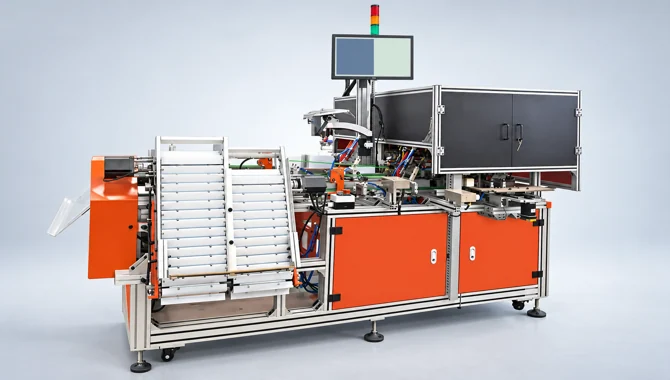
Vial Inspection Equipment Range supports container and product inspection projects. Equipment Range: Three generations of vial inspection equipment. Configuration Basis: Inspection task, sample containers and required throughput. Define the inspection task around actual containers, closures, labels or codes and an agreed defect set. Lighting, presentation and rejection criteria should be verified through representative samples rather than assumed from a generic equipment rating.
Discuss This Equipment See Specifications ↓Inspection scope is matched to the listed equipment function.
Actual samples guide lighting, presentation and acceptance criteria.
Listed throughput provides a starting point for line balancing.
| Parameter | Reference Configuration |
|---|---|
| Equipment Range | Three generations of vial inspection equipment |
| Configuration Basis | Inspection task, sample containers and required throughput |
Brochure-listed values vary by configuration. Confirm the selected format, utilities, output and acceptance conditions in the quotation.
Inspection scope is matched to the listed equipment function.
Actual samples guide lighting, presentation and acceptance criteria.
Listed throughput provides a starting point for line balancing.
Detection and rejection performance require application-specific trials.
The following configuration discussions use the supplied product and detail images. Availability is reviewed for the selected equipment.
Review drawings and representative samples before selecting the tooling and container range.
Review access, transfer and the process features required for the proposed configuration.
Agree the operating rate and acceptance conditions for the complete process, including connected equipment.
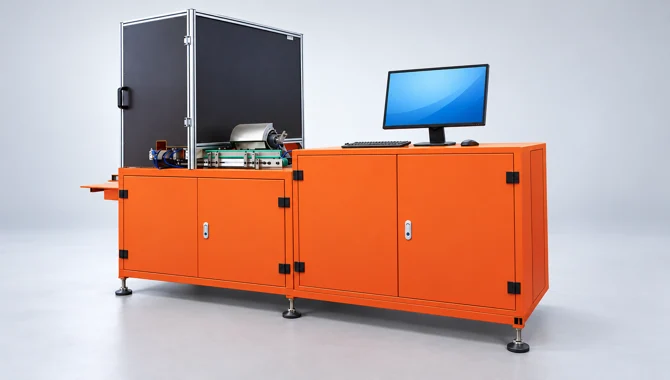
Four-Output Vial Inspection Machine supports container and product inspection projects.
View Product Details ↗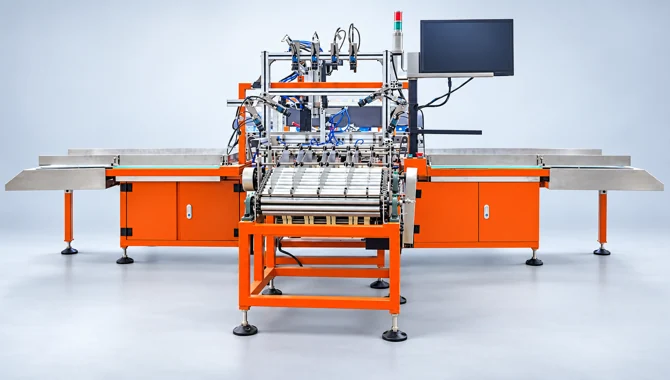
Oral-Liquid Bottle Inspection Machines supports container and product inspection projects.
View Product Details ↗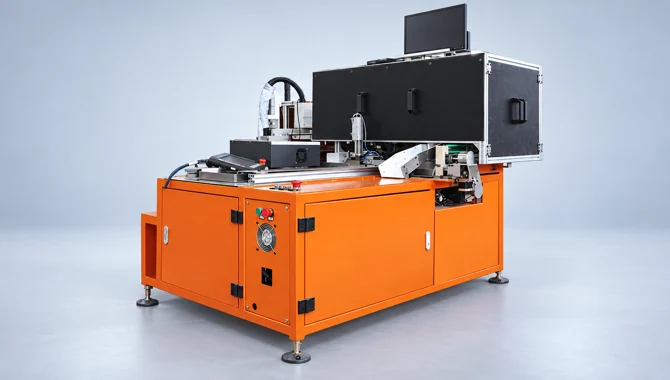
Dual-Output Vial Inspection Machine supports container and product inspection projects.
View Product Details ↗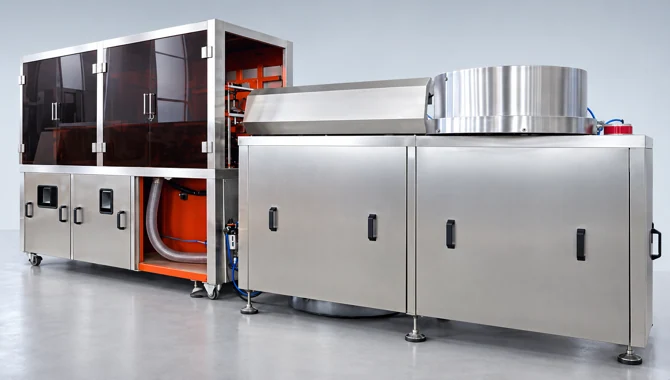
Bottle Cap Inspection Machine supports container and product inspection projects.
View Product Details ↗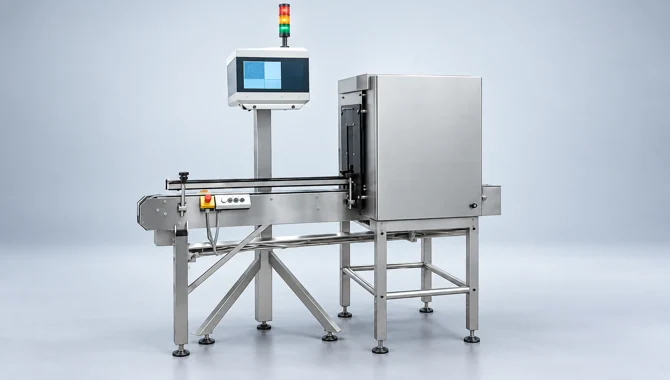
Liquid Level Inspection Machine supports container and product inspection projects.
View Product Details ↗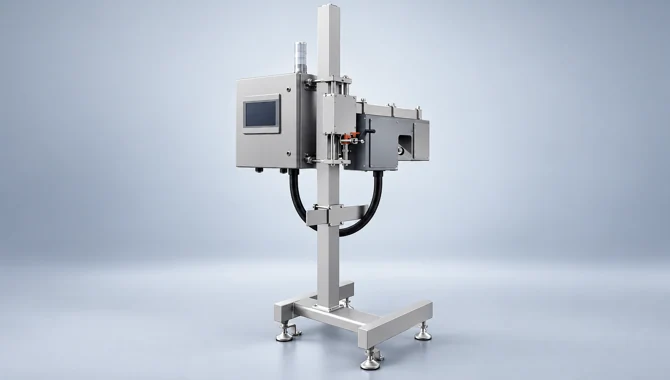
Code Inspection Machine supports container and product inspection projects.
View Product Details ↗Send the actual product format, material and operating requirements so suitability can be reviewed for this application.
Explore Applications ↗Send the actual product format, material and operating requirements so suitability can be reviewed for this application.
Explore Applications ↗Send the actual product format, material and operating requirements so suitability can be reviewed for this application.
Explore Applications ↗Select contact and handling materials against the actual product and cleaning process. Material compatibility and wear behavior should be reviewed with the application; no unlisted material substitution is assumed.
Compare the same format, throughput, contact conditions and operating scope. Similar equipment names do not establish interchangeability.
Review The Selection Checklist ↗Work with a team that connects container requirements, processing equipment and downstream handling in one project discussion.
Request available footage relevant to the selected equipment and process.
Confirm preservation, protective packing, shipment split, lifting points and transport conditions in the agreed order scope. Review installation access and the equipment layout before dispatch; final packing dimensions and delivery dates are provided for the confirmed configuration.
Reference the agreed layout, configuration, inspection points and documentation in the order.
Agree preservation, lifting access, shipment split and packing dimensions for the confirmed equipment.
Coordinate delivery terms, receiving access, utilities and the installation responsibilities.
Detection and rejection performance must be established using your defect library, samples and agreed acceptance method. A brochure rating is not a substitute for a product trial.
The specification section lists the available source information. Final size and operating ranges must be agreed against the application and approved samples.
Listed rates are selection references. Actual output depends on the material, format, process settings and integrated line conditions; agree the acceptance conditions before ordering.
Interface feasibility requires a layout and control review. Submit conveyor heights, transfer direction, utilities and upstream/downstream equipment details so the integration scope can be defined.
Include drawings and samples, required output, process targets, utilities, installation location, documentation needs and delivery destination. This supports a configuration-specific quotation.
Local operating conditions and documentation requirements belong in the enquiry from the beginning. Discuss the requirements for your destination with our team.
Machine access, electrical requirements and documentation scope.
Project standards, language requirements and the conformity documentation needed for the proposed supply.
Utilities, environmental conditions and import documentation.
Format flexibility, operator access and production-line interfaces.
Installation planning, parts requirements and export packing scope.
Start with the drawing, material and format range. Identify the neck, body, closure or packaging requirements that affect the machine.
Define the target process, production rate and acceptance conditions. Compare complete configurations rather than isolated catalogue numbers.
Discuss transfer direction, utilities, operating access and interfaces to upstream and downstream equipment.
Agree the quotation scope, inspection plan, packing, destination and installation responsibilities for the selected equipment.
Four-Output Vial Inspection Machine supports container and product inspection projects.
View Product Details ↗Oral-Liquid Bottle Inspection Machines supports container and product inspection projects.
View Product Details ↗Dual-Output Vial Inspection Machine supports container and product inspection projects.
View Product Details ↗Share your container drawing, output target and process requirements. Start with the scope that matters to your project.
Get A Project Quote