Vial Forming Machines
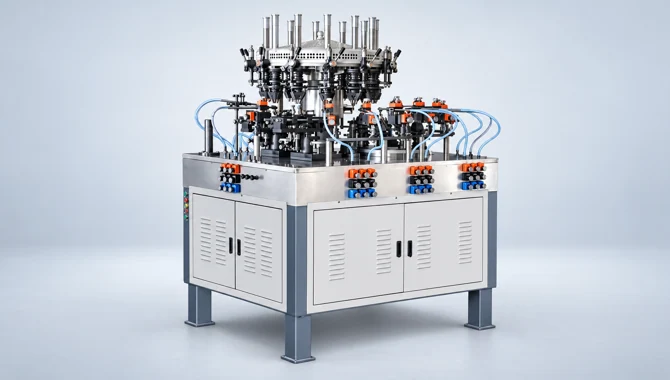
12-Head Vial Forming Machine
12-Head Vial Forming Machine supports glass vial forming projects.
View Product Details ↗Tubular glass forming equipment for pharmaceutical vials and compatible glass containers. Start with the product drawing and required operation, then review the available equipment and its reference specifications.
12-Head Vial Forming Machine supports glass vial forming projects.
View Product Details ↗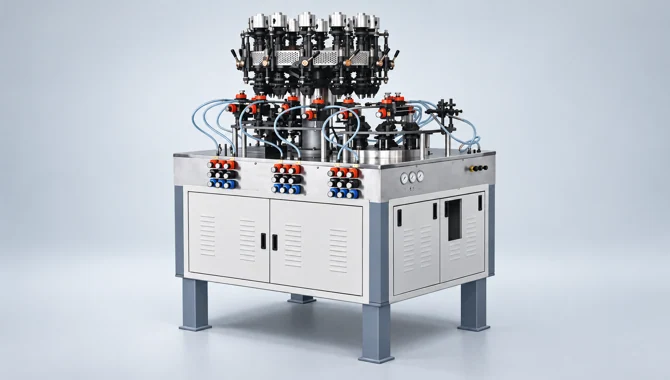
12-Head Double-Chuck Vial Forming Machine supports glass vial forming projects.
View Product Details ↗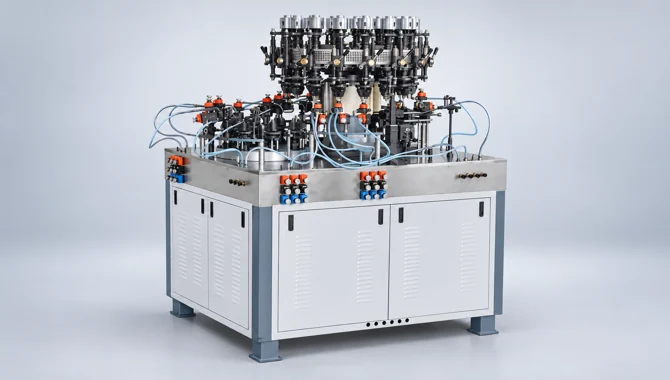
16-Head Double-Chuck Vial Forming Machine supports glass vial forming projects.
View Product Details ↗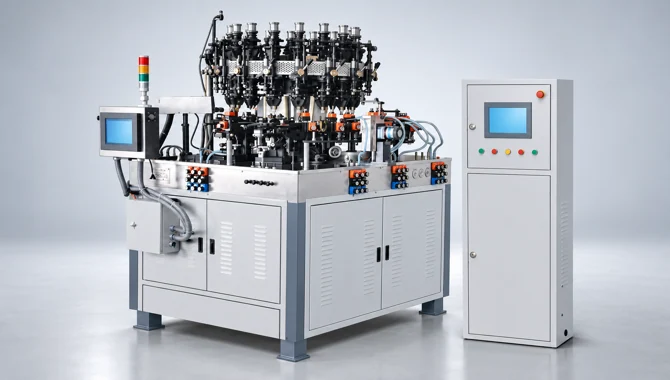
16-Head Servo Double-Chuck Vial Forming Machine supports glass vial forming projects.
View Product Details ↗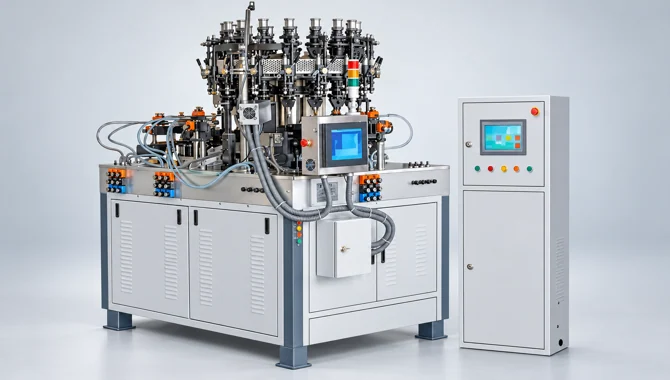
Mini 16-Head Servo Vial Forming Machine supports glass vial forming projects.
View Product Details ↗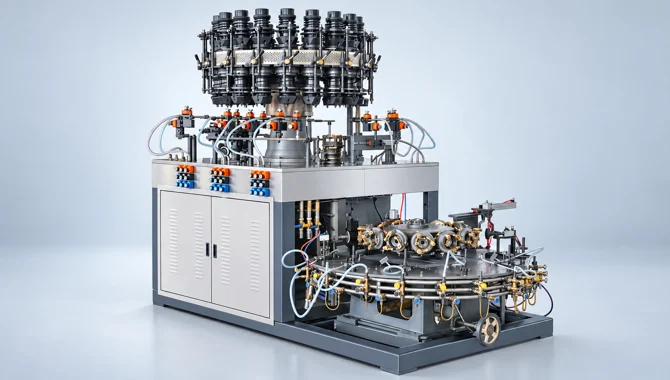
18-Head Vertical-To-Horizontal Bottle Forming Machine supports glass vial forming projects.
View Product Details ↗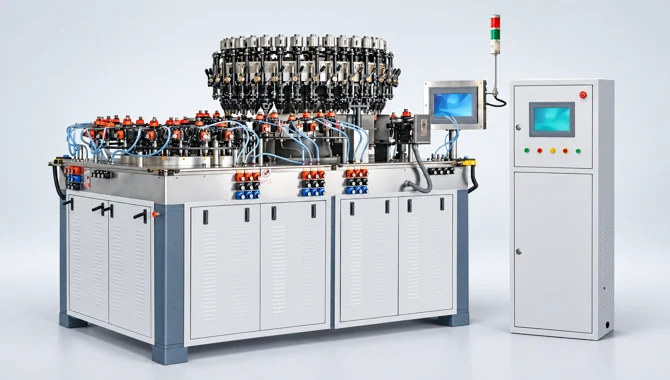
32-Head Fully Digital Servo Vial Forming Machine supports glass vial forming projects.
View Product Details ↗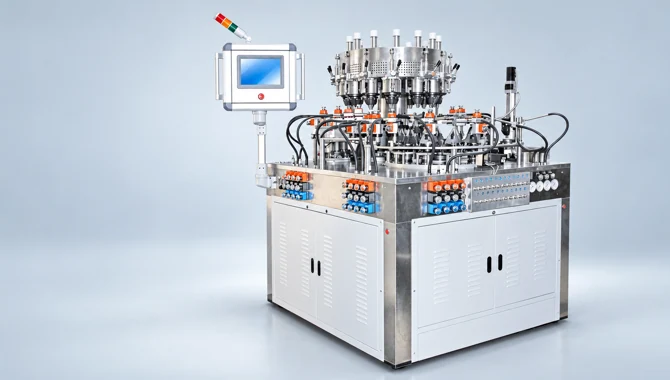
Full Servo Vial Forming Machine supports glass vial forming projects.
View Product Details ↗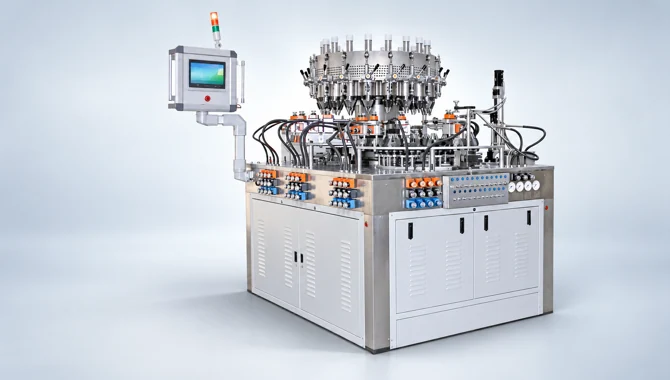
Maglev Vial Forming Machine supports glass vial forming projects.
View Product Details ↗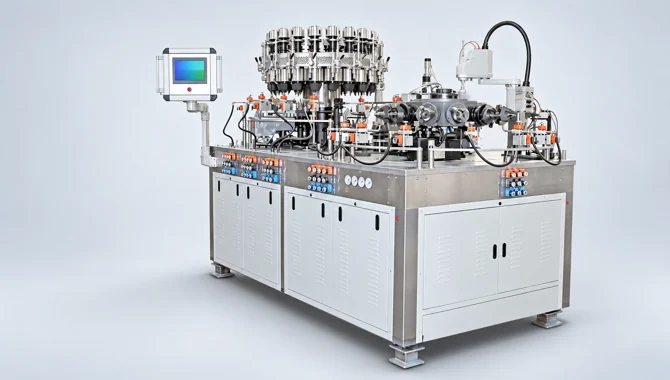
Vertical-To-Horizontal Vial Forming Machine supports glass vial forming projects.
View Product Details ↗Start with the drawing, material and format range. Identify the neck, body, closure or packaging requirements that affect the machine.
Define the target process, production rate and acceptance conditions. Compare complete configurations rather than isolated catalogue numbers.
Discuss transfer direction, utilities, operating access and interfaces to upstream and downstream equipment.
Agree the quotation scope, inspection plan, packing, destination and installation responsibilities for the selected equipment.
Start with the drawing, material and format range. Identify the neck, body, closure or packaging requirements that affect the machine.
Define the target process, production rate and acceptance conditions. Compare complete configurations rather than isolated catalogue numbers.
Discuss transfer direction, utilities, operating access and interfaces to upstream and downstream equipment.
Agree the quotation scope, inspection plan, packing, destination and installation responsibilities for the selected equipment.
Share your container drawing, output target and process requirements. Start with the scope that matters to your project.
Get A Project Quote